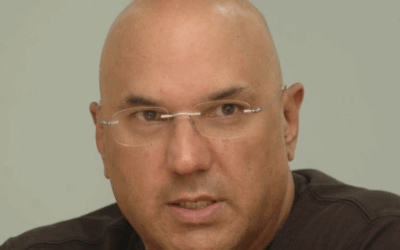
Larry Ellison (pictured above) didn’t sell his Oracle stock to help pay for his son’s takeover of Warner Bros. Discovery. He borrowed against it instead.
The Wall Street Journal reported Tuesday that Oracle’s founder went on a “borrowing spree” in the months before the deal closed October 6. He pledged shares of Oracle, Tesla, SpaceX and Paramount Skydance and expanded credit lines with Citigroup, HSBC, JPMorgan, UBS and BNP Paribas.
The story lands four weeks before Oracle’s November 18 annual meeting, where shareholders will vote on a proposal from National Legal and Policy Center that bears on how the company’s other owners get heard. NLPC’s summary of the case is here, and the full report has been circulated to Oracle investors.
The Paper Trail Came From California, Not Oracle
Oracle gives shareholders one number about Ellison’s pledged stock, once a year. Its latest annual meeting materials put it at 413 million shares, up from 346 million a year earlier. The Journal valued those shares at about $58 billion.
Oracle didn’t say which banks hold them, when the loans grew or what else Ellison put up. The Journal found that in lien filings the banks made with the state of California.
Banks that listed Oracle share counts held claims on 87 million shares, up from about 30 million a year ago. Days before the Warner deal closed, Citigroup and JPMorgan added SpaceX and Paramount Skydance stock to their collateral.
A Sale Was Planned, Then Scrapped
This summer, Ellison set up a plan to sell about $7.5 billion of Oracle stock. He canceled it in September, a day after it became public.
According to the Journal, he wanted the cash for his son David’s Warner bid. He borrowed more instead, which let him keep the stock and avoid taxes on his gains. NLPC flagged the risk to Oracle shareholders in July.
Oracle’s board says a committee reviews Ellison’s pledging every quarter and has concluded he can repay his loans without selling the pledged shares. Shareholders have only the board’s word for it.
One Rule for Ellison, Another for Everyone Else
Oracle bars its directors and executives from pledging company stock as loan collateral. The policy makes one exception, by name: Ellison.
He owns 38.2 percent of the company. When some investors raised concerns about his pledging in private meetings, the board decided the arrangements posed no material risk.
Oracle’s board saw this objection coming. Responding to NLPC’s proposal, the board acknowledged that Ellison is the company’s “largest stockholder” but insisted his stake “does not prevent other stockholders” from being heard. Owners, it said, can engage through Oracle’s “stockholder engagement program” and can “submit stockholder proposals” under the federal rule.
Neither answer holds up. The engagement program is where investors raised Ellison’s pledging, and where the board waved it off. The federal rule the board pointed to is the one Washington is moving to scrap.
The Vote That Keeps the Door Open
Proposal 4 asks Oracle to keep letting shareholders put proposals on the annual ballot on today’s terms, even as Washington moves to scrap the federal rule that guarantees it. Oracle’s board opposes it.
A shareholder proposal is the tool that takes concerns like these out of private meetings and brings them to a vote of every owner.
Voting is open now. Oracle shareholders don’t need to wait until November 18. Read NLPC’s summary and vote FOR Proposal 4.